Skip to content
All sectors

Industry and plants

Stacks, silos, cranes, roofs: visual and thermal inspection without stopping production.

Stopping a line for an inspection costs more than the inspection. Working at height means permits, scaffolding and a full day. A close-range flight brings the same images down in an hour, with the plant still running and nobody exposed to a fall.

Figures for this sector

550 °C
upper limit of the thermal measurement range
10 m
distance at which the telephoto resolves bolts and cracks
0
production stoppages required by the inspection

What we do

Close visual inspection

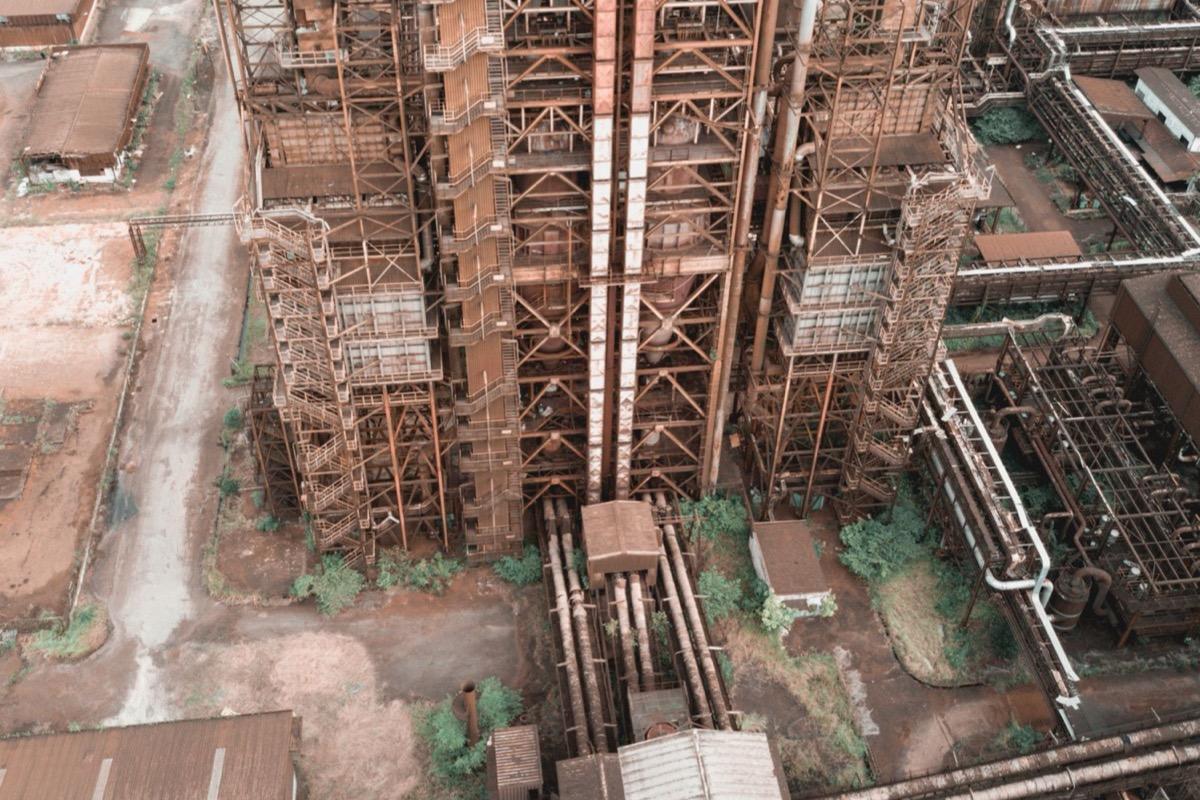
The telephoto resolves bolts and cracks from ten metres: a structure is documented without approaching beyond the safe distance.

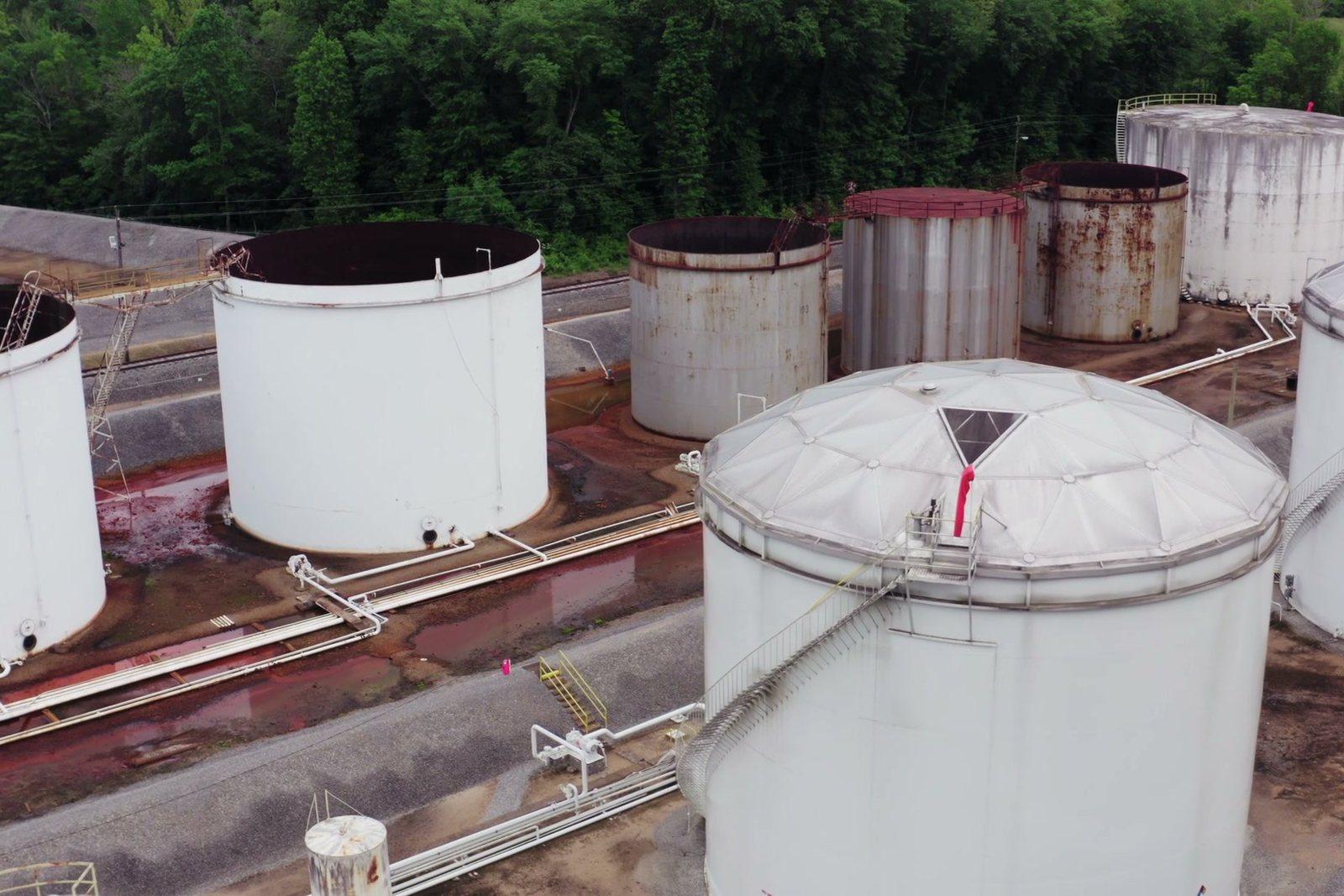
Structures and pipework from a safe distance: the telephoto brings back detail that cannot be seen from the ground.
Process thermography

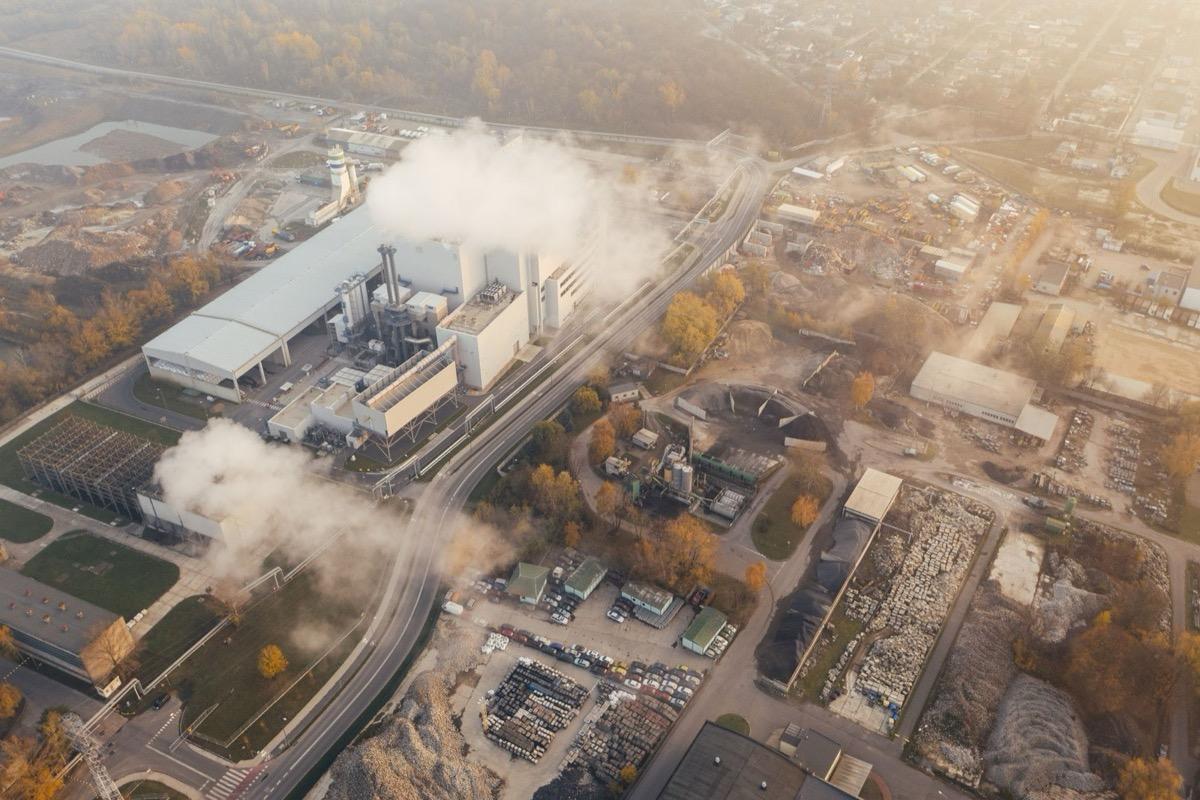
Two measurement ranges: −20 to 150 °C for ordinary anomalies, 0 to 550 °C for hot process surfaces. The range is chosen beforehand, because accuracy changes with it.

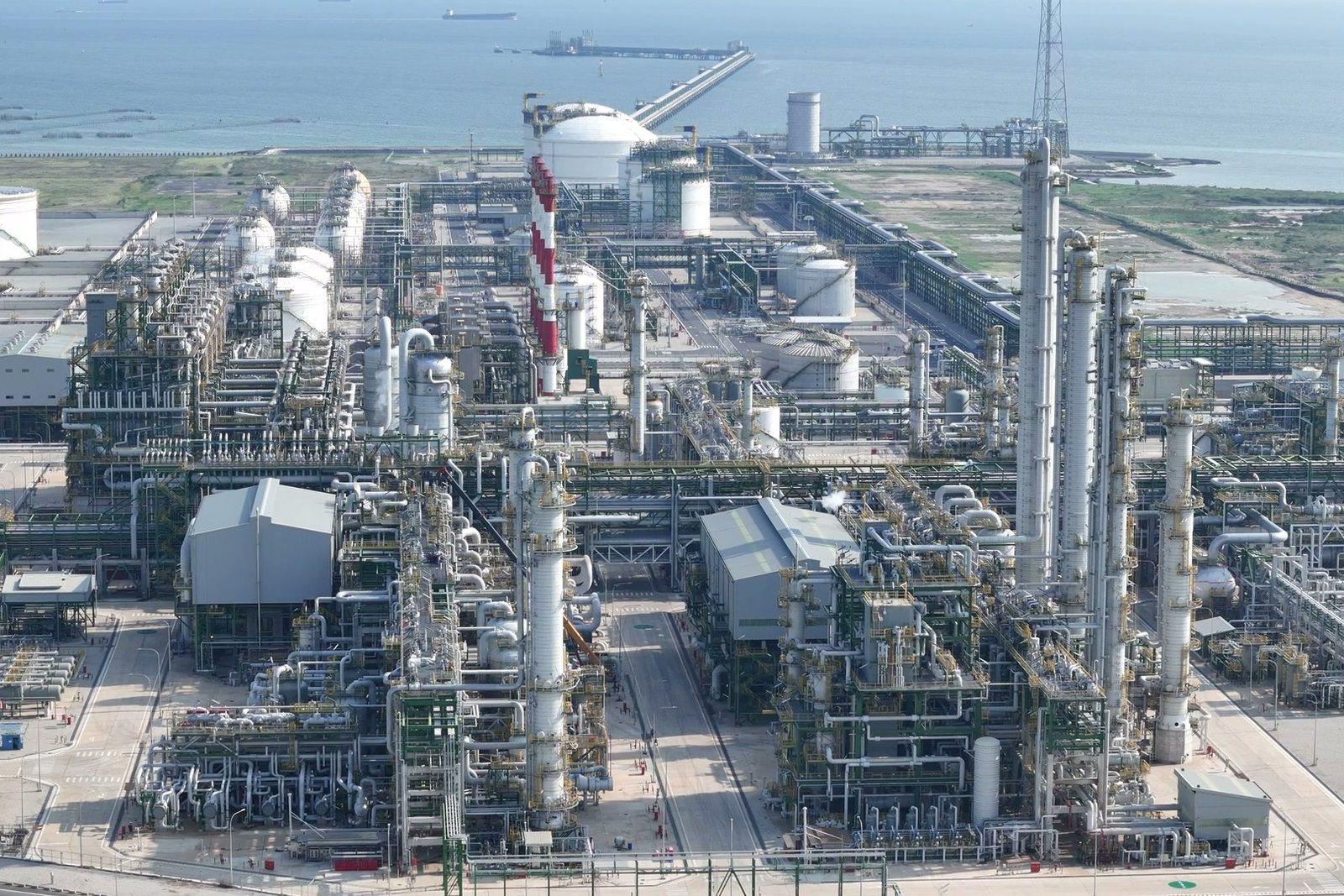
A plant in operation with hot surfaces in view: which measurement range to use is decided before flying.

Roofs and skylights

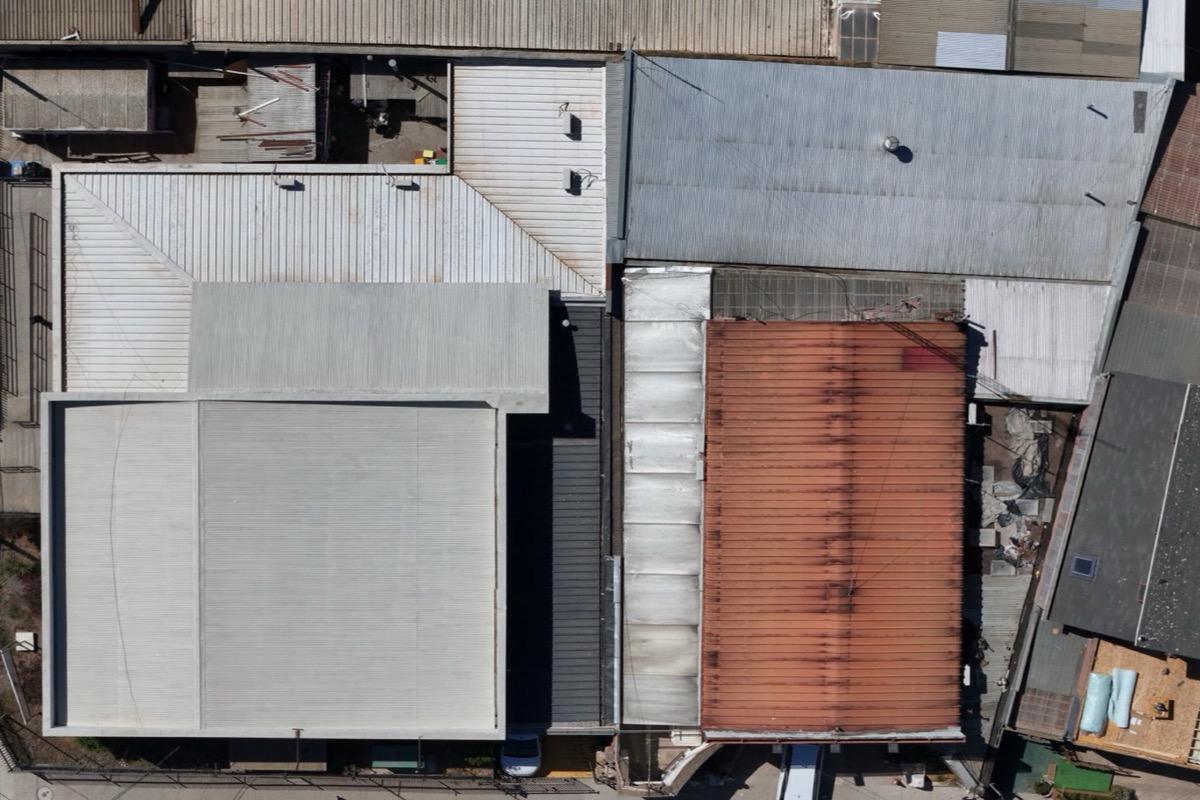
Delamination, ponding, lifted membrane and broken rooflights mapped on the roof orthophoto, without walking on it.

Warehouse roofs straight down: detachments, ponding and broken sheets mapped without walking on them.

Repeatable inspections

The route is saved and re-flown: two checks six months apart return the same framing and compare image by image.

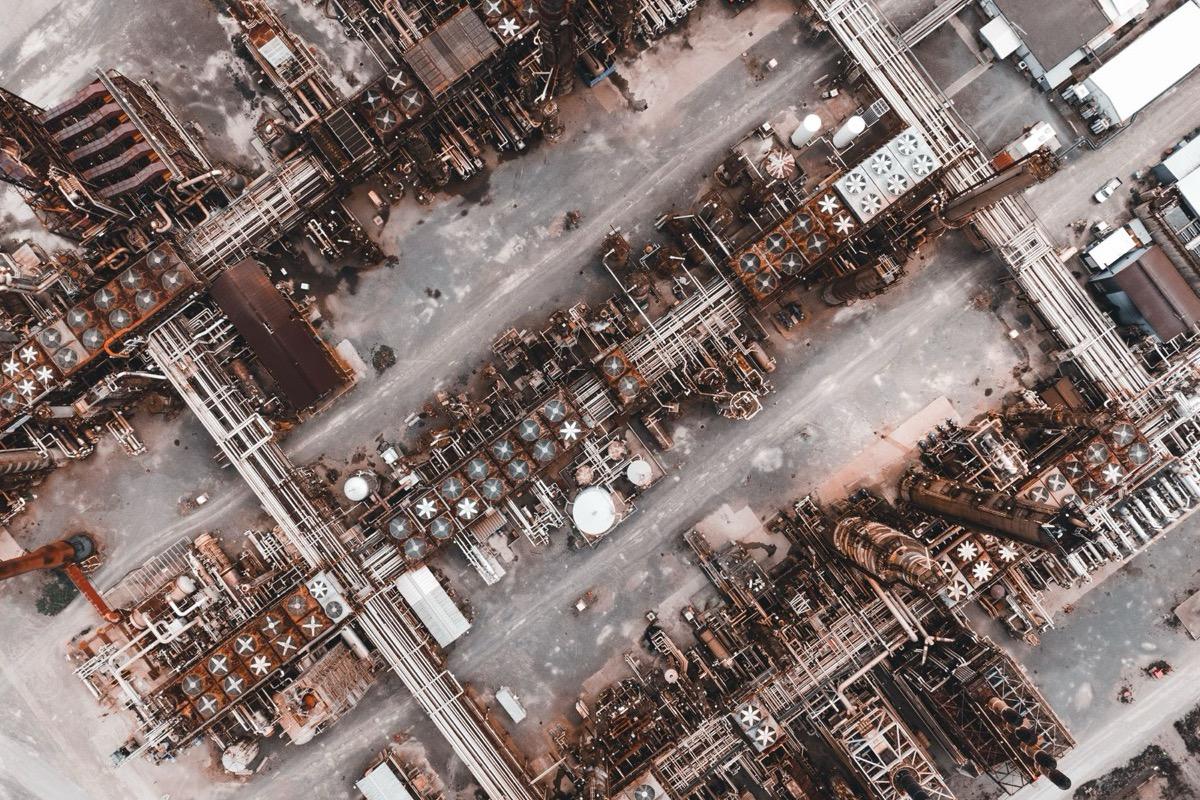
A dense plant: the saved route returns the same framing at the next inspection.

What you get

  • High-resolution photographs of the inspected points, ordered by element
  • Thermal map with measured temperatures and declared parameters
  • Roof orthophoto with the anomalies located
  • Original radiometric R-JPEGs for later analysis
  • Report with date, altitude, stand-off distance and emissivity used

Site visit and quote at no cost

Let's talk about your project.