Shot planning
Flight path, speed and framing are defined at the recce, so on the shooting day the scene is executed to plan.
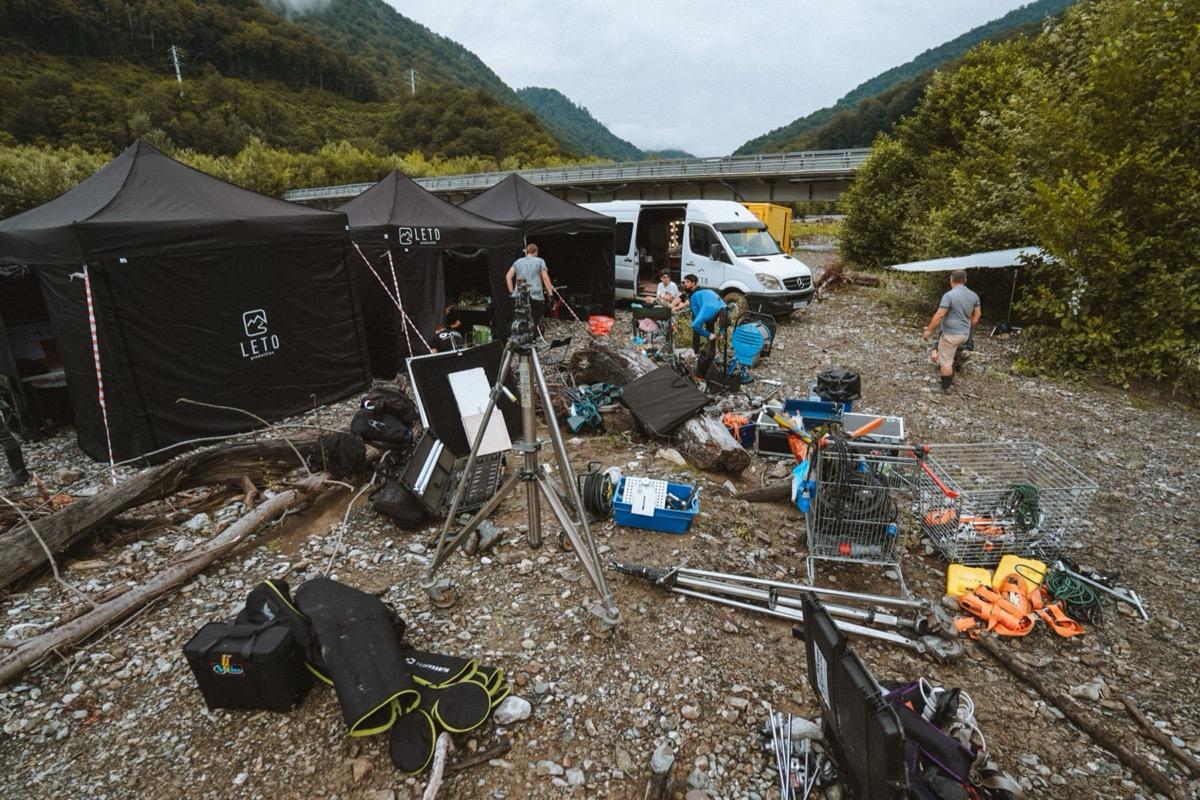
An exterior base camp.
Aerial filming for film and television productions, commercials, corporate video and events, with camera moves defined at the recce.
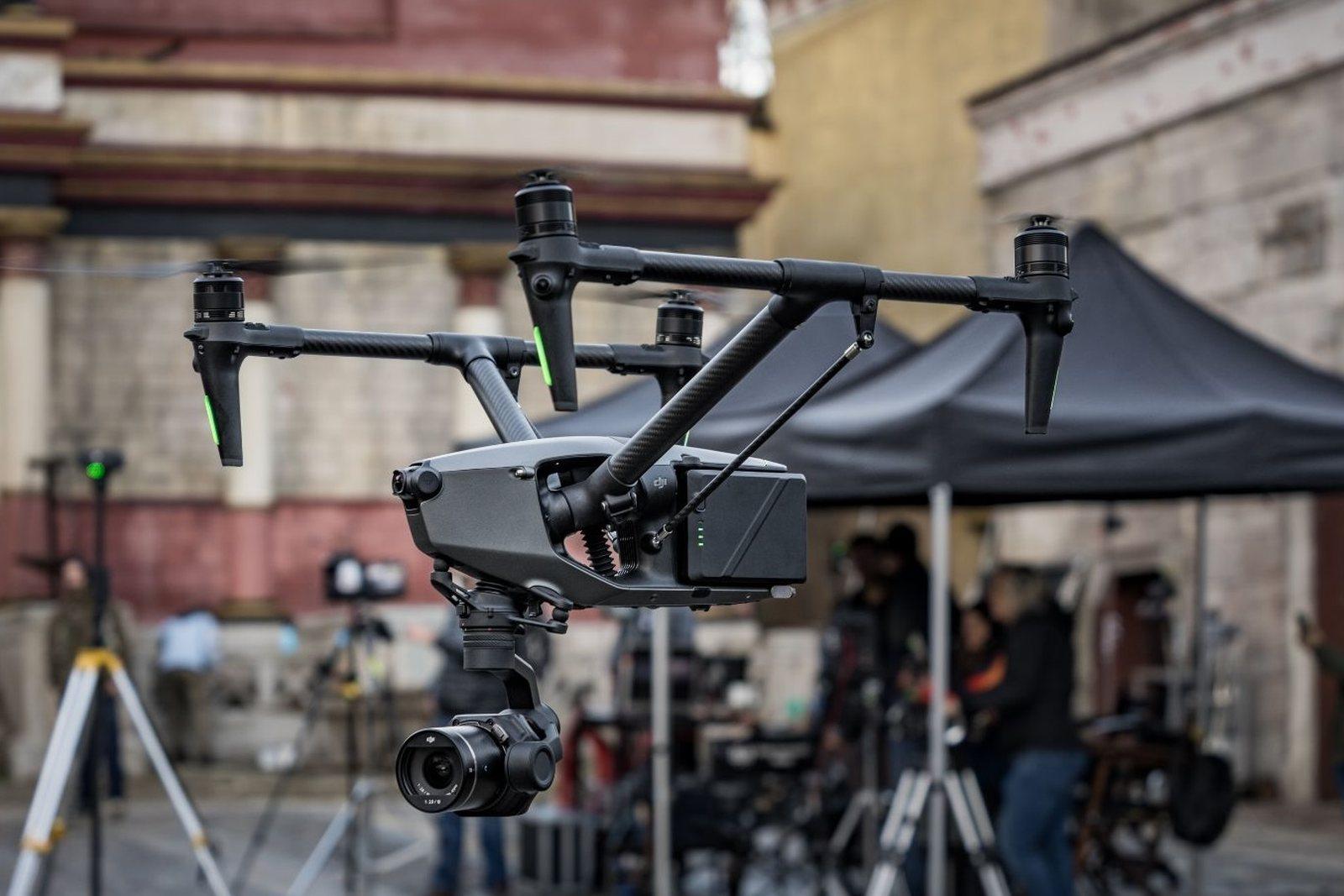
DJI Inspire 3 with the Zenmuse X9-8K Air camera: on Netflix's list of approved cameras for 4K original productions.
In a production, an aerial shot is planned like any other scene, from the storyboard, the shooting schedule and the permits required. The aim is to get the shot within the first takes, keeping the crew's waiting time to a minimum.
Reference figures
Aerial filming for film, TV and events
Aerial filming for film, advertising and documentaries, planned with the production and with the authorities that issue permits.
Flight path, speed and framing are defined at the recce, so on the shooting day the scene is executed to plan.
An exterior base camp.
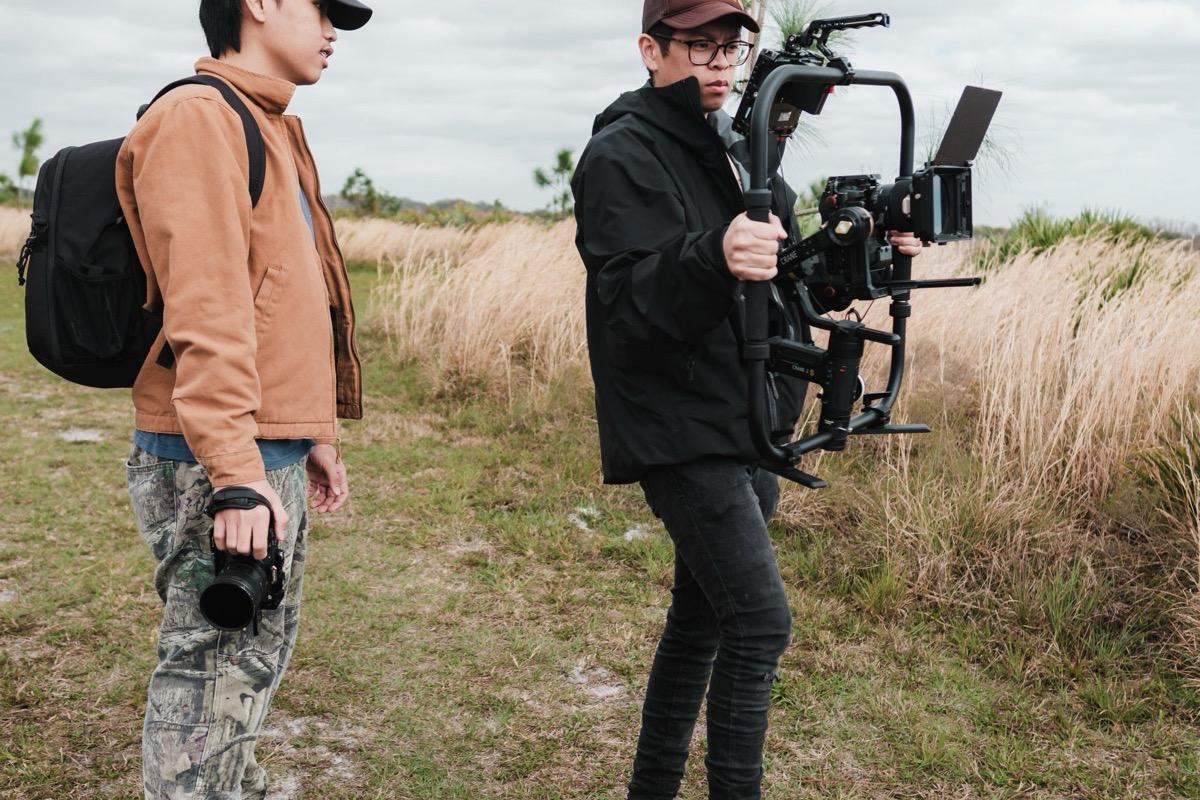
Dual controllers: the pilot flies while the camera operator handles framing and focus with dedicated controls, as in ground-based filming. A three-channel follow focus adds a focus puller, and the production follows the frame on monitors.
Pilot and camera operator at work.
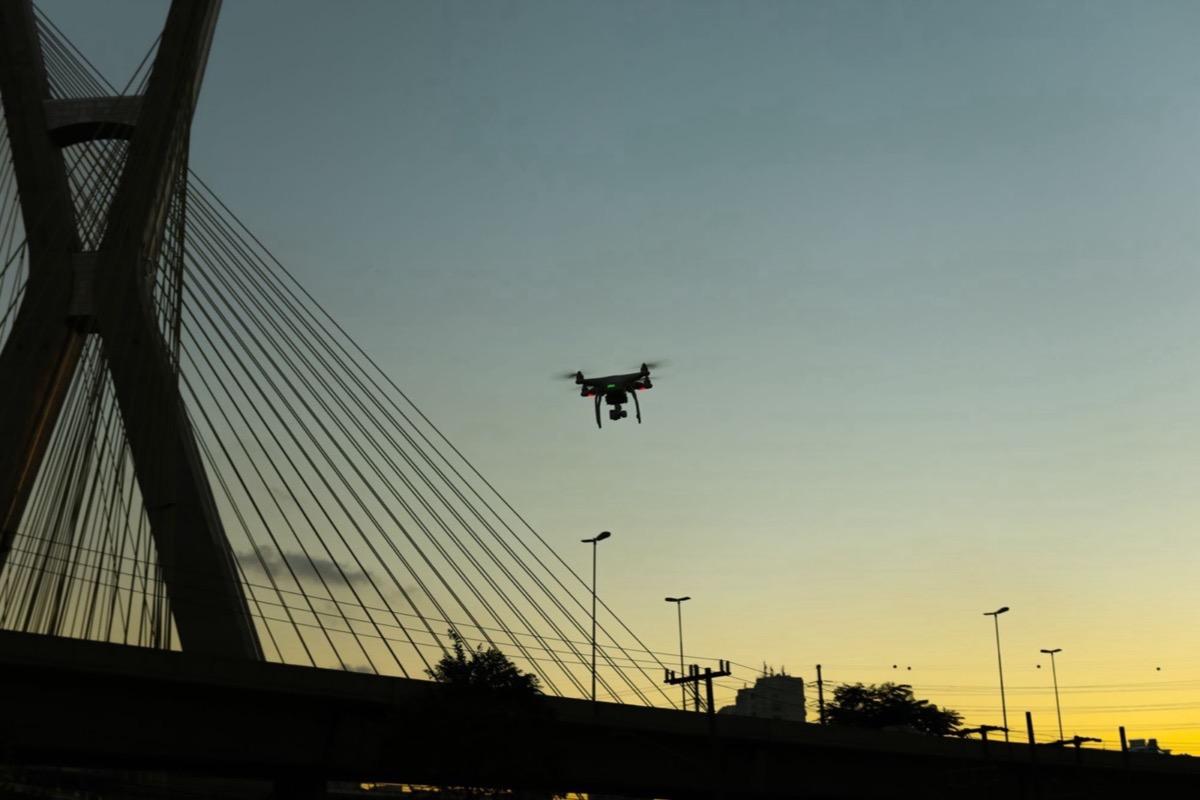
The path is saved and stays fixed while the aircraft travels it under the operator's control, back and forth as many times as needed, like a dolly on rails fifty metres above the ground. Heading and gimbal can be automatic or manual.
A fixed path travelled under the operator's control.
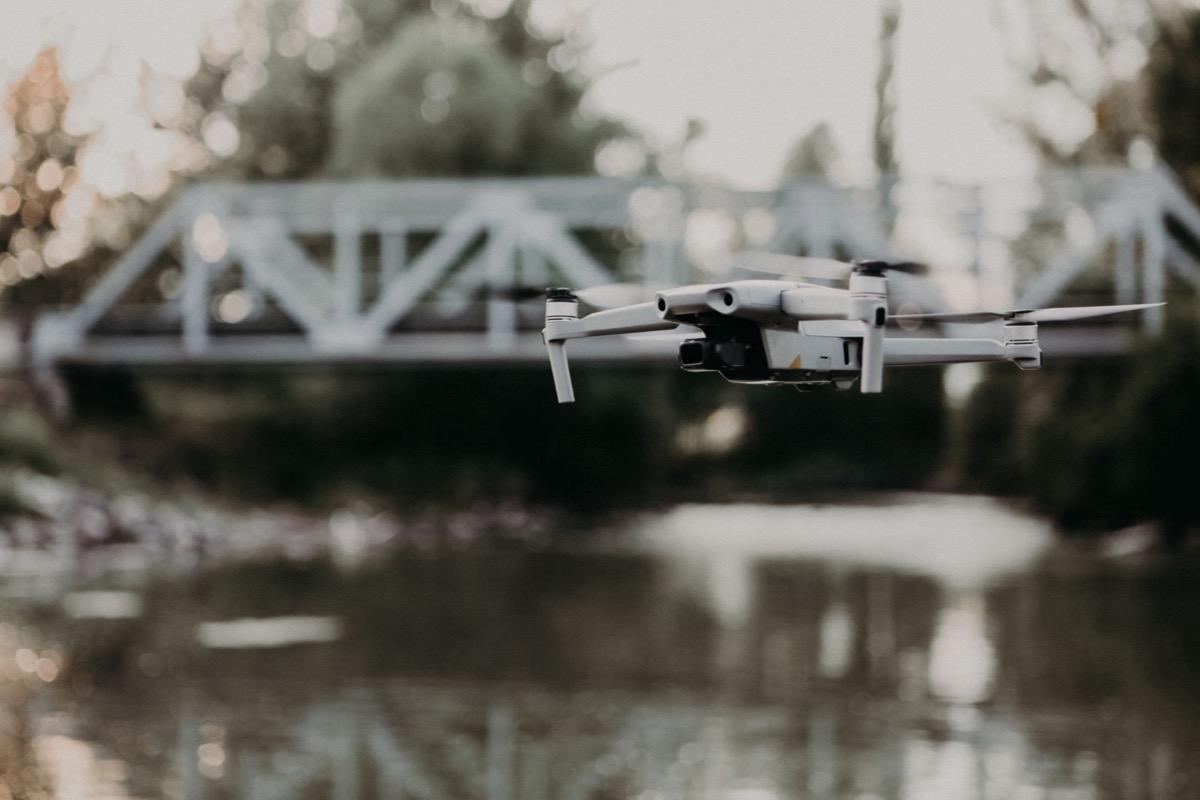
With precision positioning the same move repeats on the same path at every take, even days apart when the same correction service is used. This makes it possible to cut together shots from different days or stack passes in post-production.
Same move, same starting point.
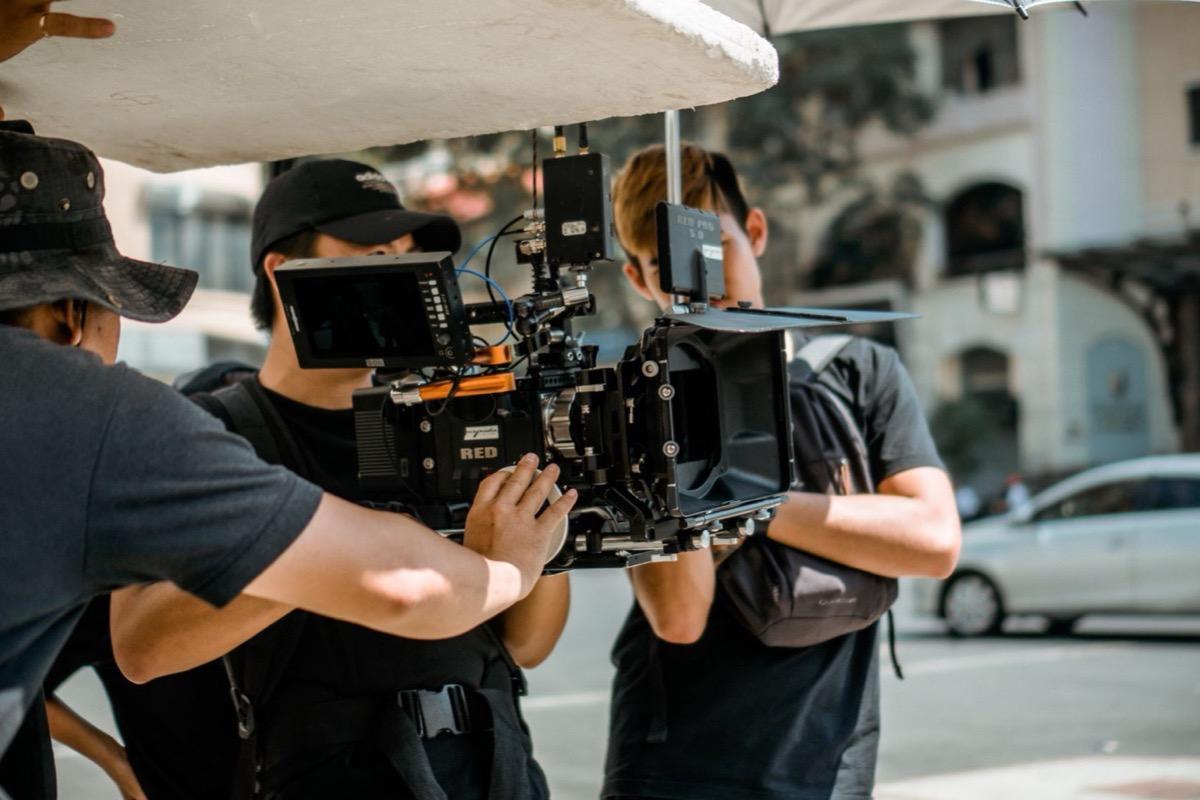
Shutter, ISO and aperture locked: brightness stays constant throughout the move and the footage cuts together without correction.
The camera department at work.
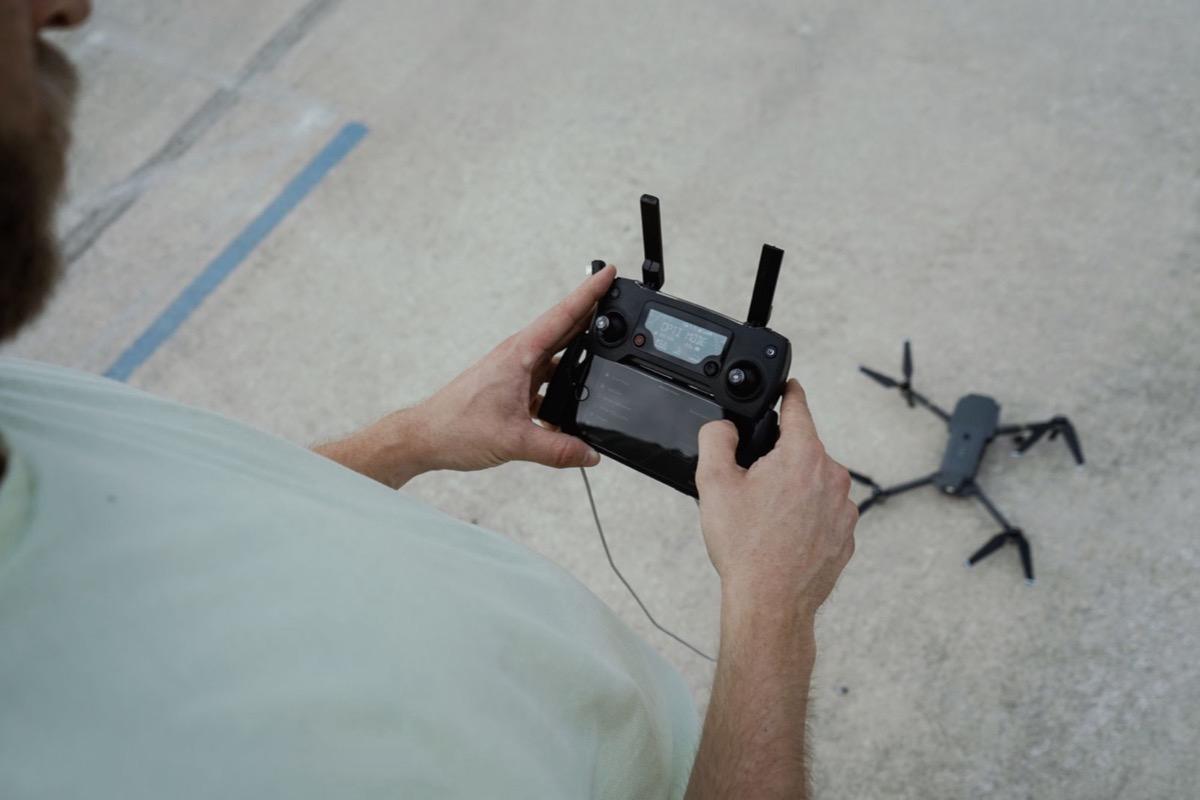
Airspace, restricted zones and distances from people are checked before every call; the flight plan is handed to the production together with the footage.
Pre-take-off checks.
Aerial filming for film, TV and events
Live events do not happen twice. Aerial coverage takes place among spectators, temporary structures and confined spaces, and requires the flight areas, the no-fly areas and the procedures for any changes to be established in advance.
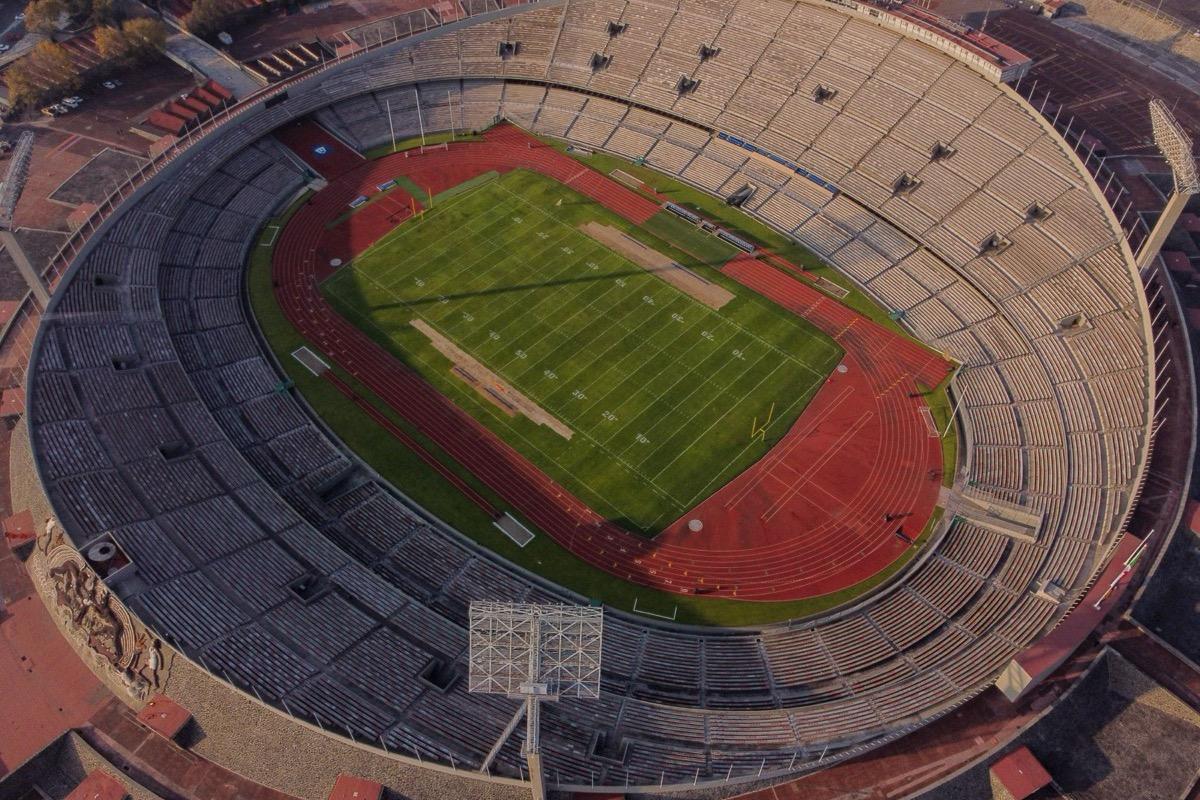
Site perimeter, take-off points, flight corridors and safety areas agreed with the organiser before the event.
The empty venue the day before the event.
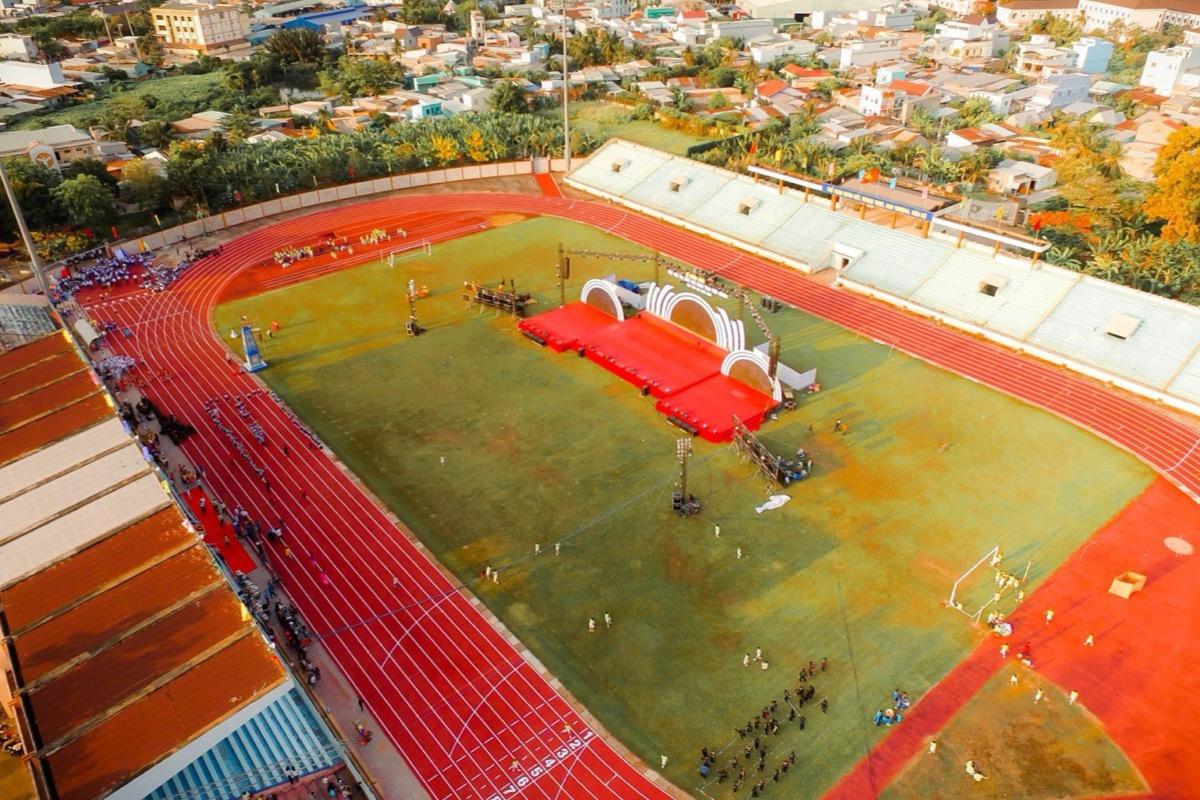
Aerial openers, wide shots and course coverage, with same-day delivery when press or social media need the material that evening.
The event seen from above.
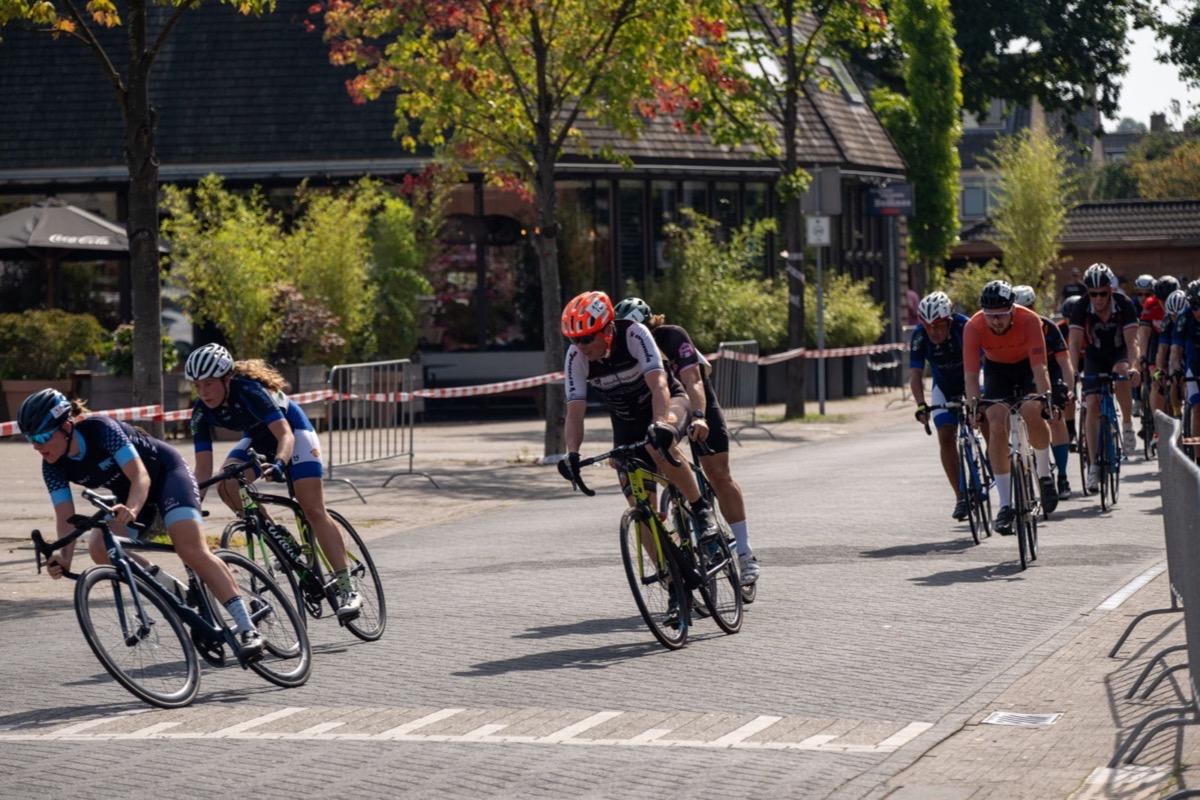
Subject following with automatic tracking and coordinated zoom across lenses, from a safe distance.
A racing group along a barriered course.
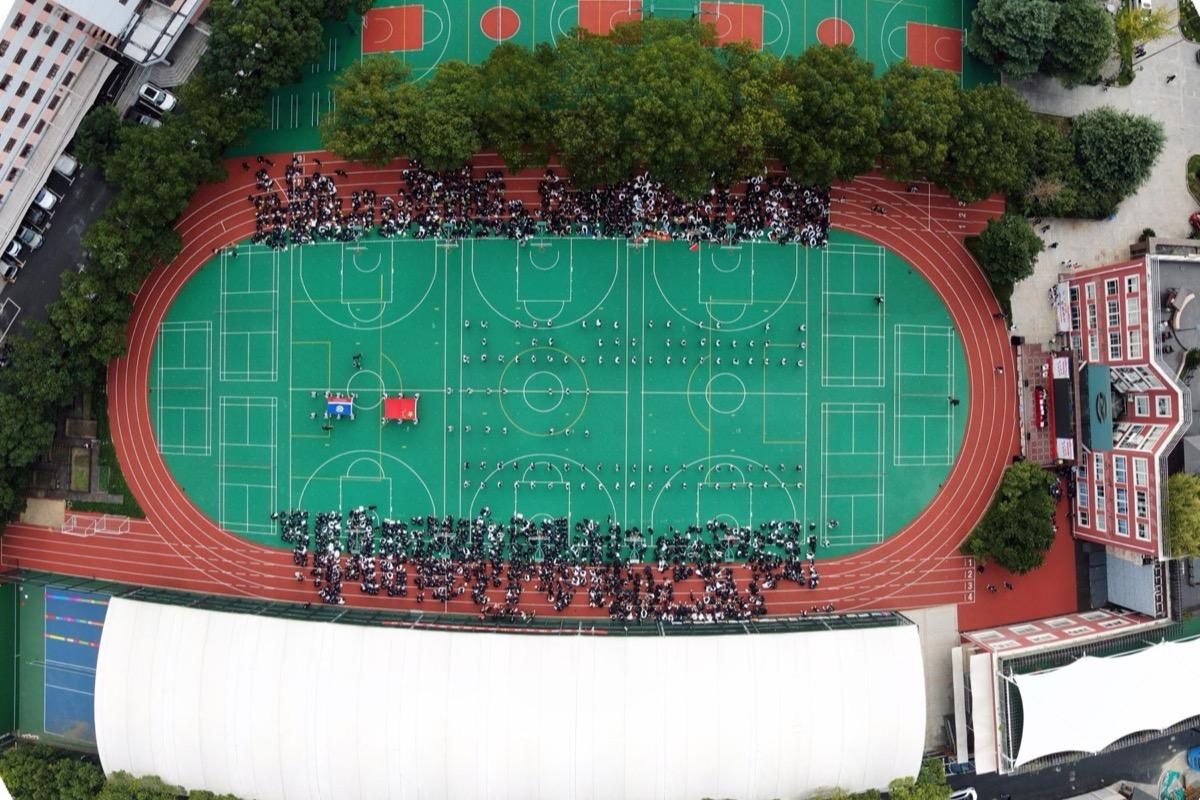
Distances from uninvolved people, altitude limits and restricted zones checked on the national portal. Shots that cannot be flown are flagged at the planning stage.
Spectators at the edge of the field.