Skip to content
← All sectors

Wildlife and invasive species

Night-time counts with thermal cameras, searches for fawns before mowing, monitoring of coypu and rats along canals, embankments and farms.

Thermal cameras locate animals at night and in vegetation, where ground observation is slow and incomplete. We carry out counts for hunting districts, protected areas and farms, and invasive-species monitoring for public bodies and irrigation consortia. Every sighting is delivered with its position, ready for management plans.

Reference figures

13.96
young per female: the coypu's reproductive rate
5 m
canals narrower than this are the most burrowed
45.8 %
of coypu damage reported in Lomellina concerns rice

Activities

Ungulate counts

Night-time counts of roe deer and wild boar over defined areas or along transects, with the position of every animal. The same route is repeated each season, so the data remain comparable.

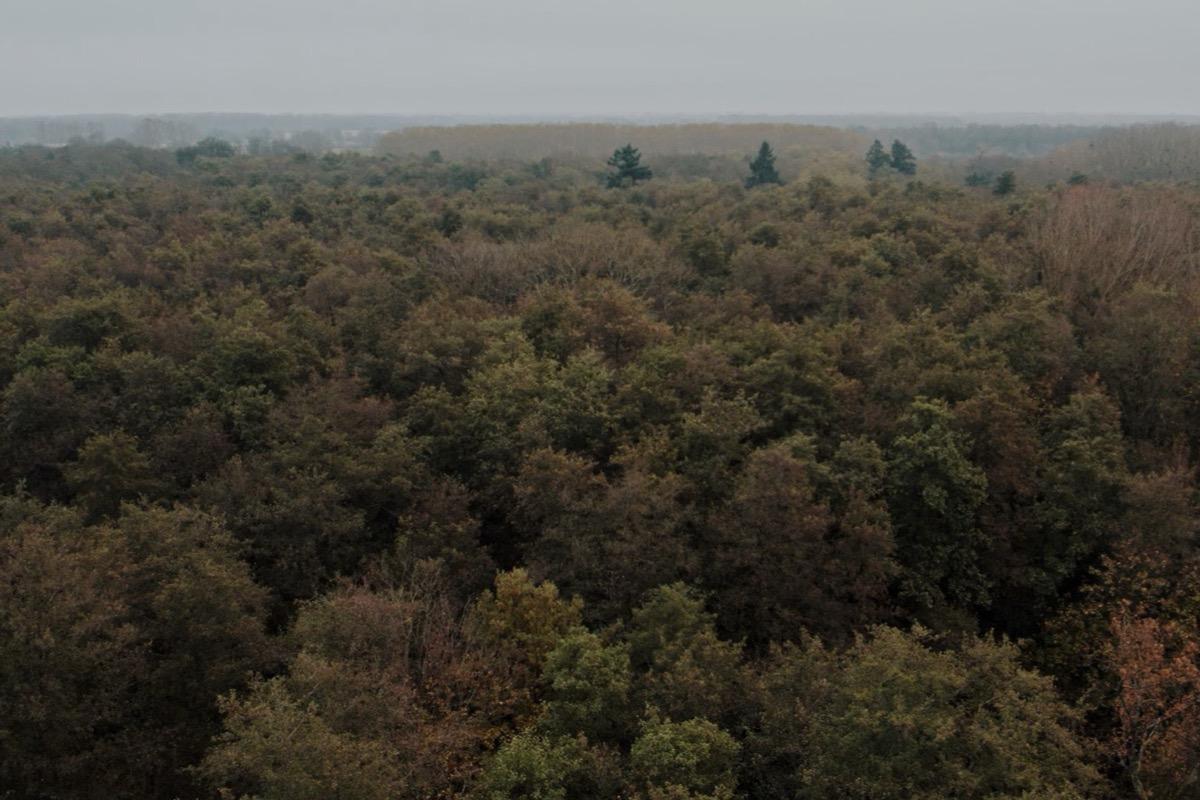
Dense woodland: at night the thermal camera separates animals from vegetation.
Searching for fawns before mowing

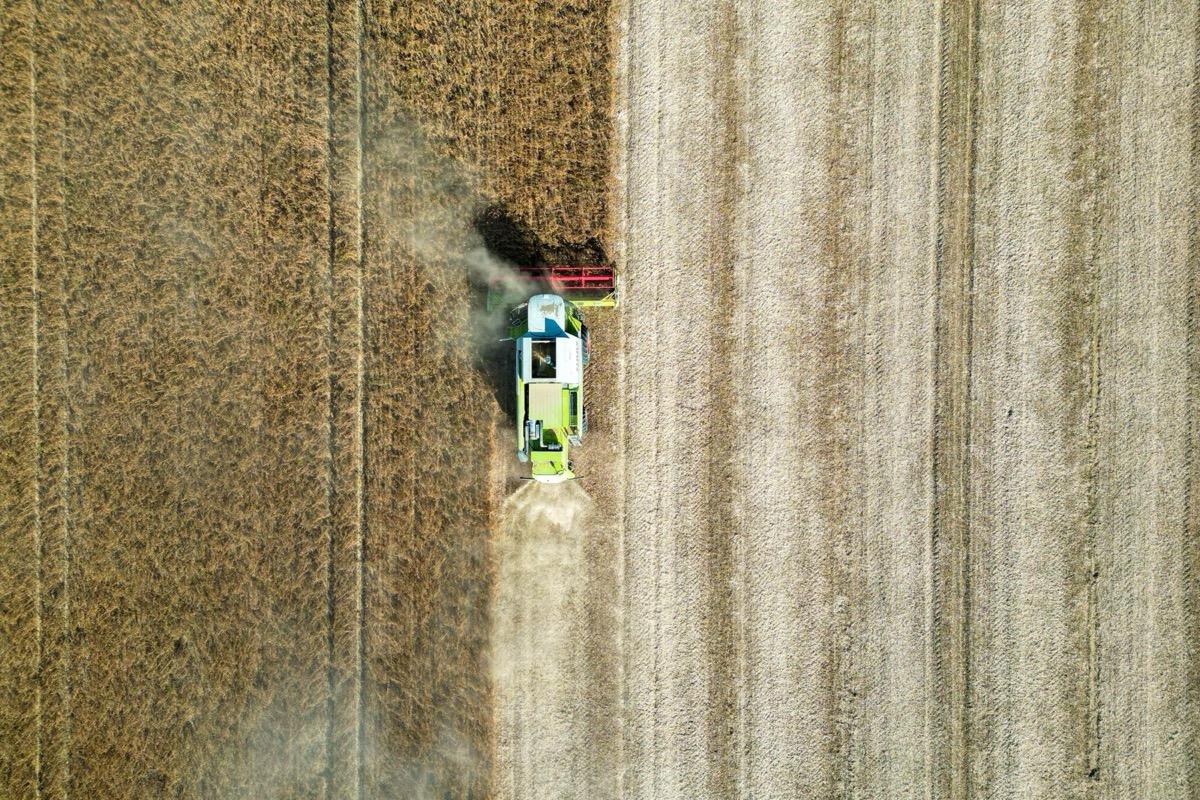
At dawn, before mowing or harvesting, the drone flies over meadows and alfalfa fields and flags fawns hidden in the grass, so they can be moved before the machines pass.

Flights take place in the cool hours, when thermal contrast is highest.

Coypu along canals and embankments

Mapping of burrows, slides and damaged embankment sections, and night-time thermal counts: the indicators the national coypu management plan sets out for monitoring.

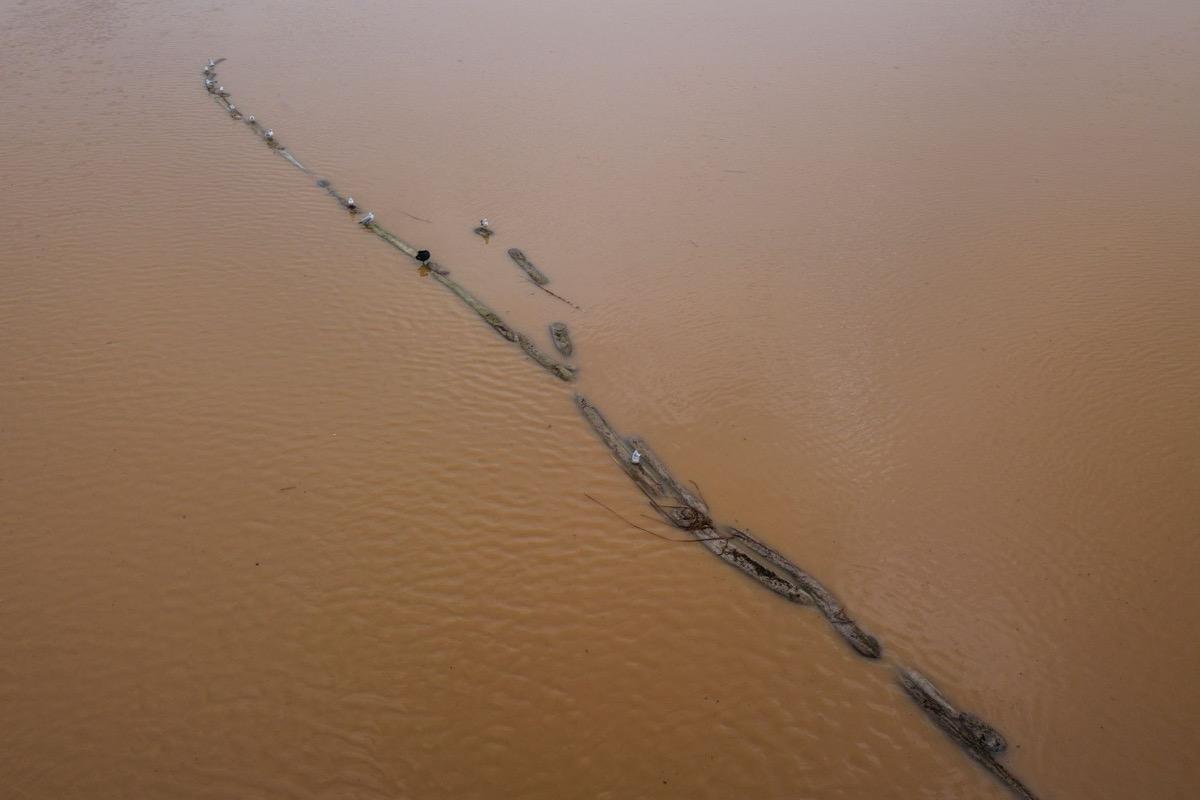
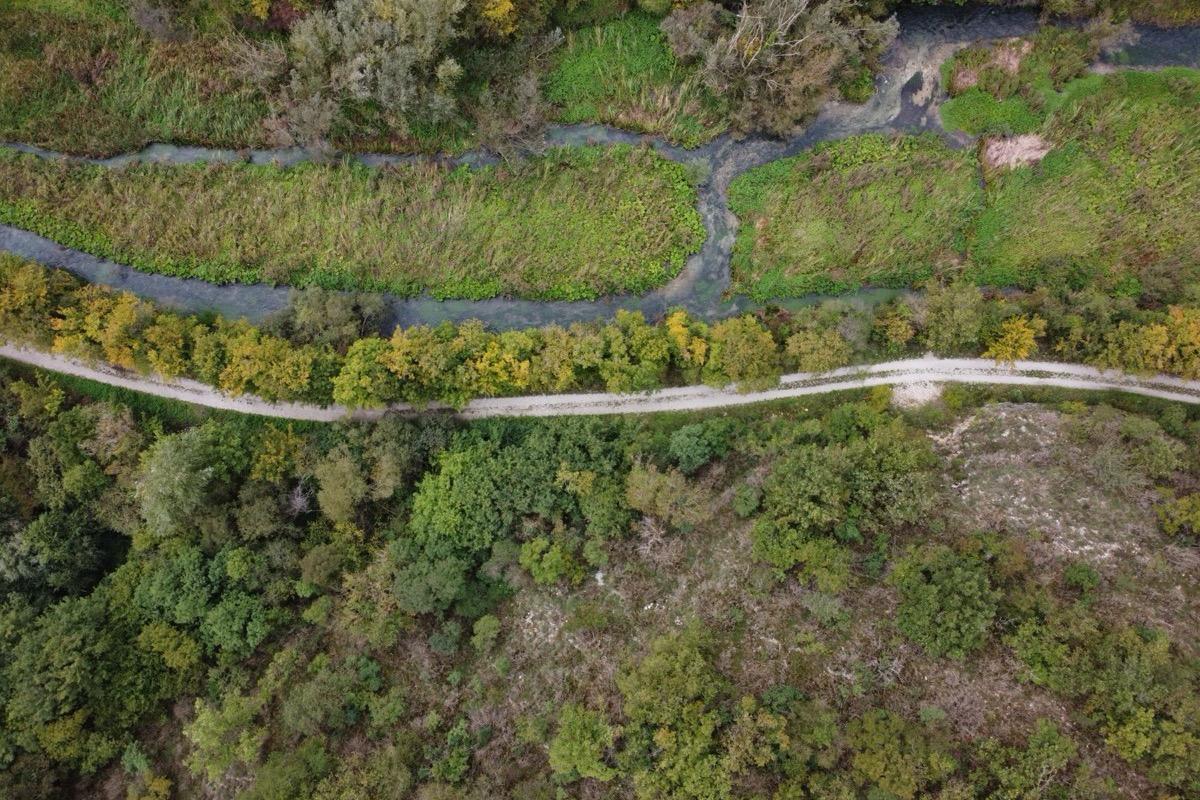
Embankments and irrigation canals: burrows weaken the banks, especially during floods.

Rats and other pest species

Survey of activity sites on farms, landfills and depots: burrows, runways and entry points, mapped for the teams carrying out rodent control.

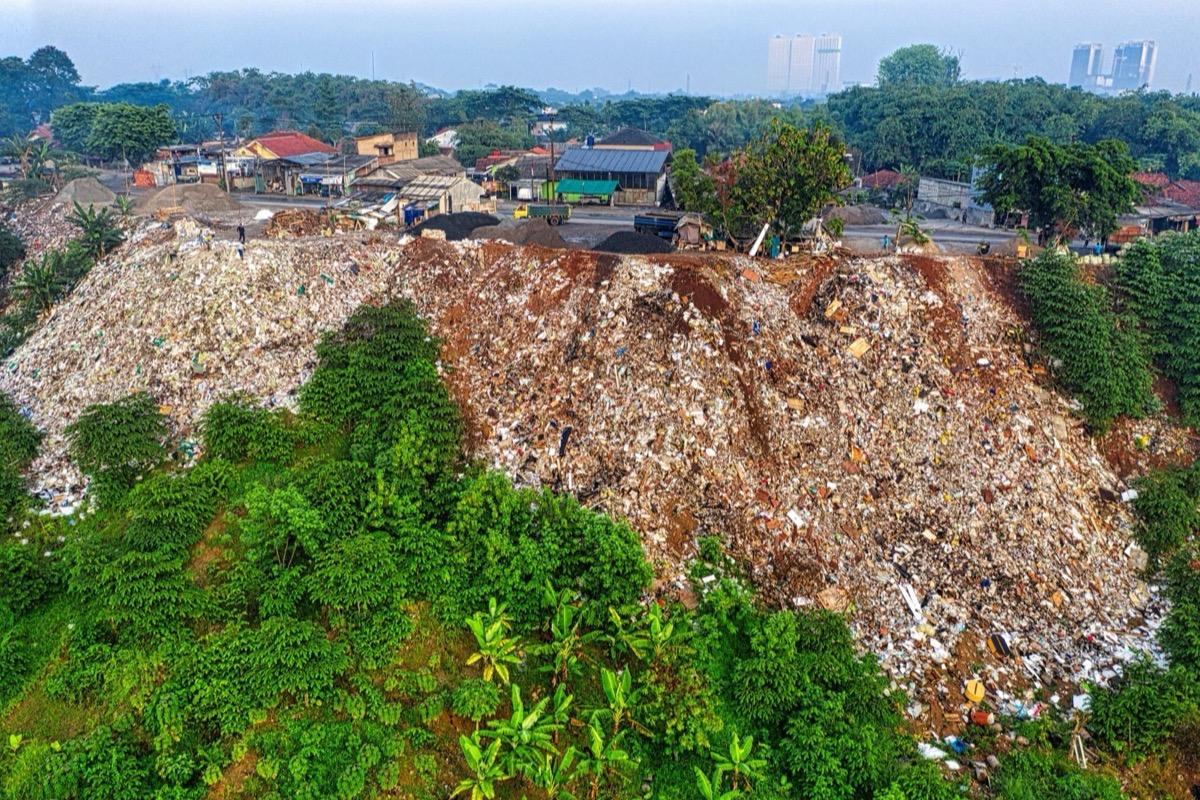
Landfills and depots close to houses: activity sites are mapped from above.

Example images

Animals captured in thermal imaging and at night.

Wild boar

Wild boar

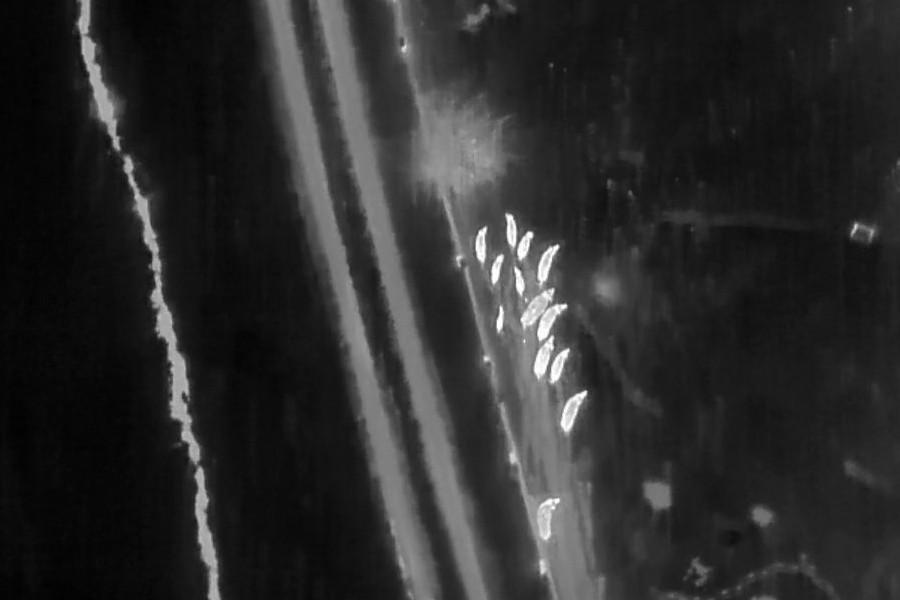
A group of 13 wild boar in thermal imaging, seen from above.

Fallow deer

Fallow deer

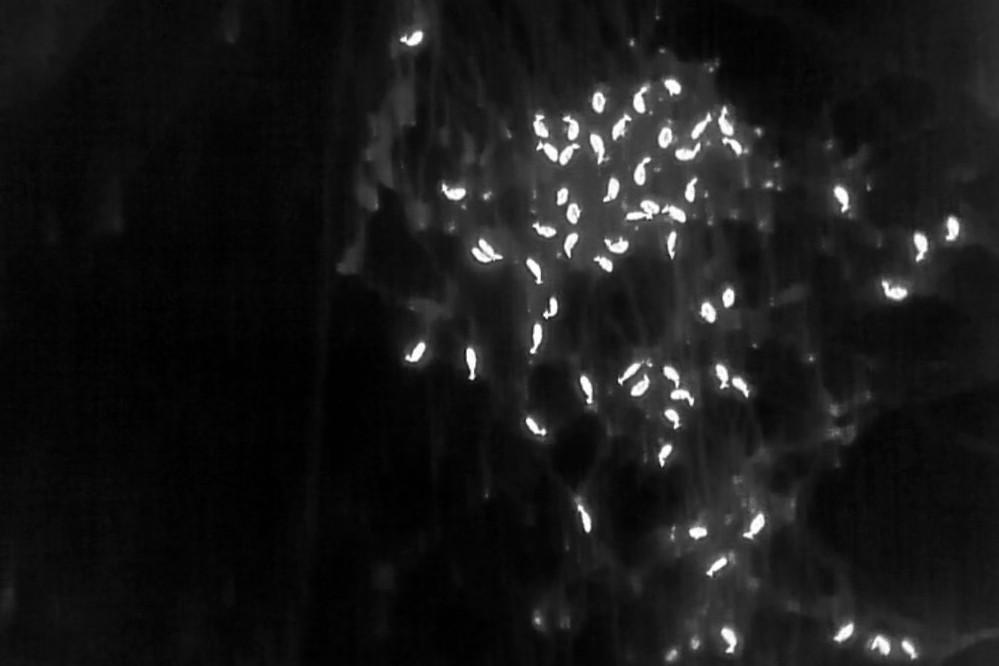
A herd of 60 fallow deer in thermal imaging, seen from above.

Coypu

Coypu

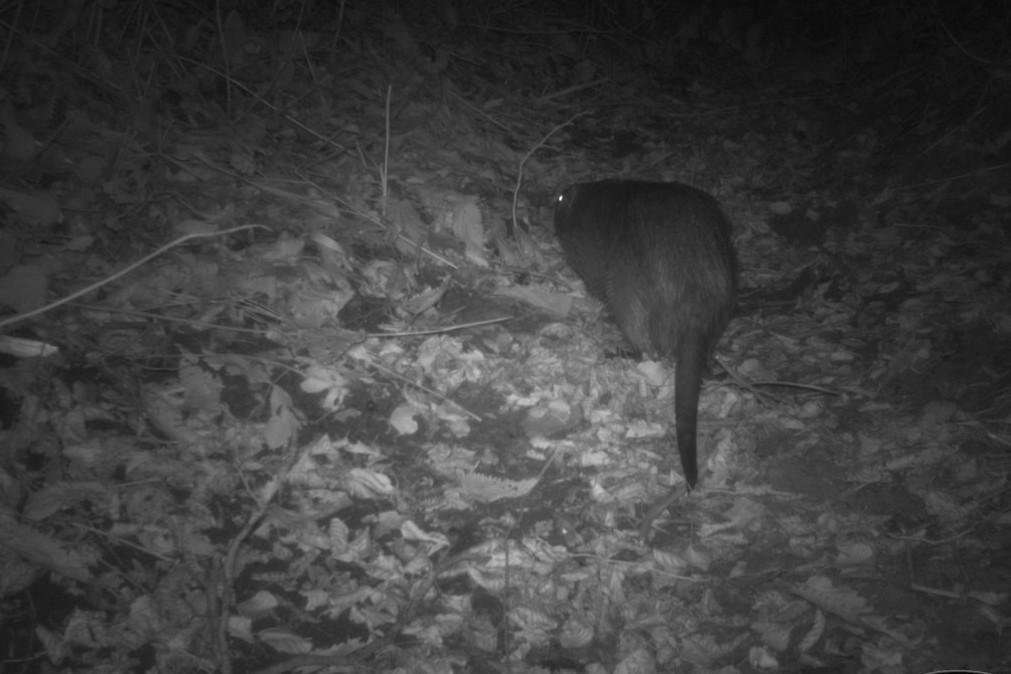
Coypu at night.

Brown rat

Brown rat

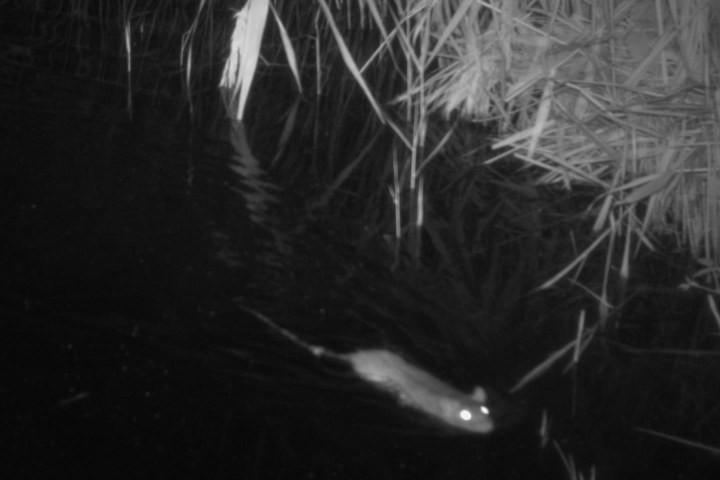
Brown rat at night, swimming among reeds.

Deliverables

  • Georeferenced map of sightings, with date and time
  • Counts by species and area, in tabular form
  • Map of burrows and damaged embankment sections
  • Thermal images and flight video

Technical notes

Containment plans in Piedmont. The coypu is an invasive alien species of Union concern (EU Reg. 1143/2014) and since 2014 is no longer protected wildlife under Italian law: control follows article 19 of Law 157/1992. In Piedmont plans are carried out by the Provinces and protected-area bodies, including the Province of Cuneo's 2024-2028 plan and the plans of the Po Piemontese and Ticino-Lago Maggiore protected areas. Drones do not replace trapping: they provide the presence, damage and abundance data on which plans are scheduled and assessed. The figures above come from the Po Torinese park's control plan.

Free site visit and quote

Let's talk about your project.